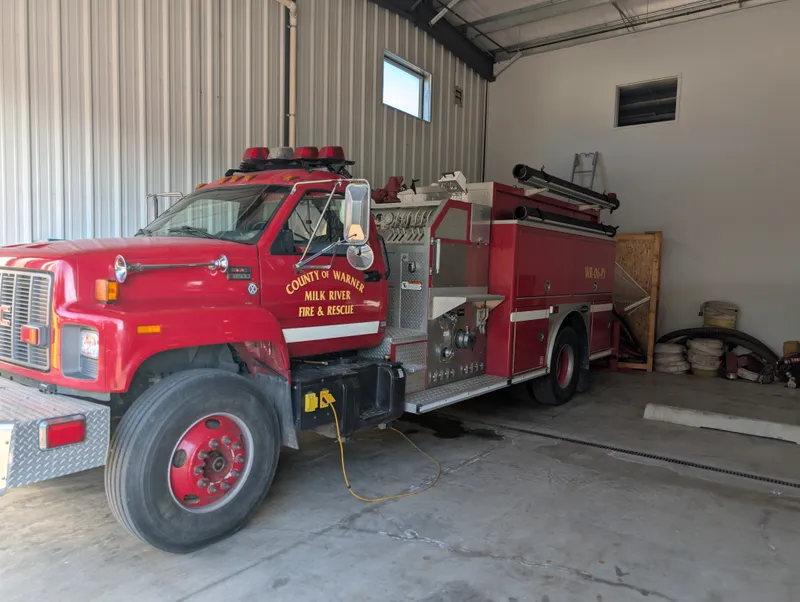
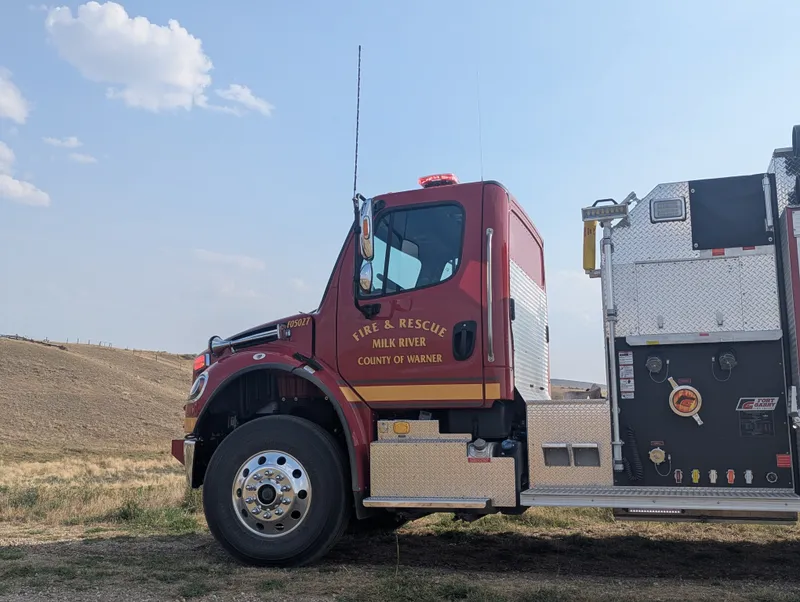
A pumper. Carries water and a pump to put fire out directly.
First out on fires. Provides traffic control and extra equipment at motor vehicle collisions, and is pump-and-roll capable for brush fires.
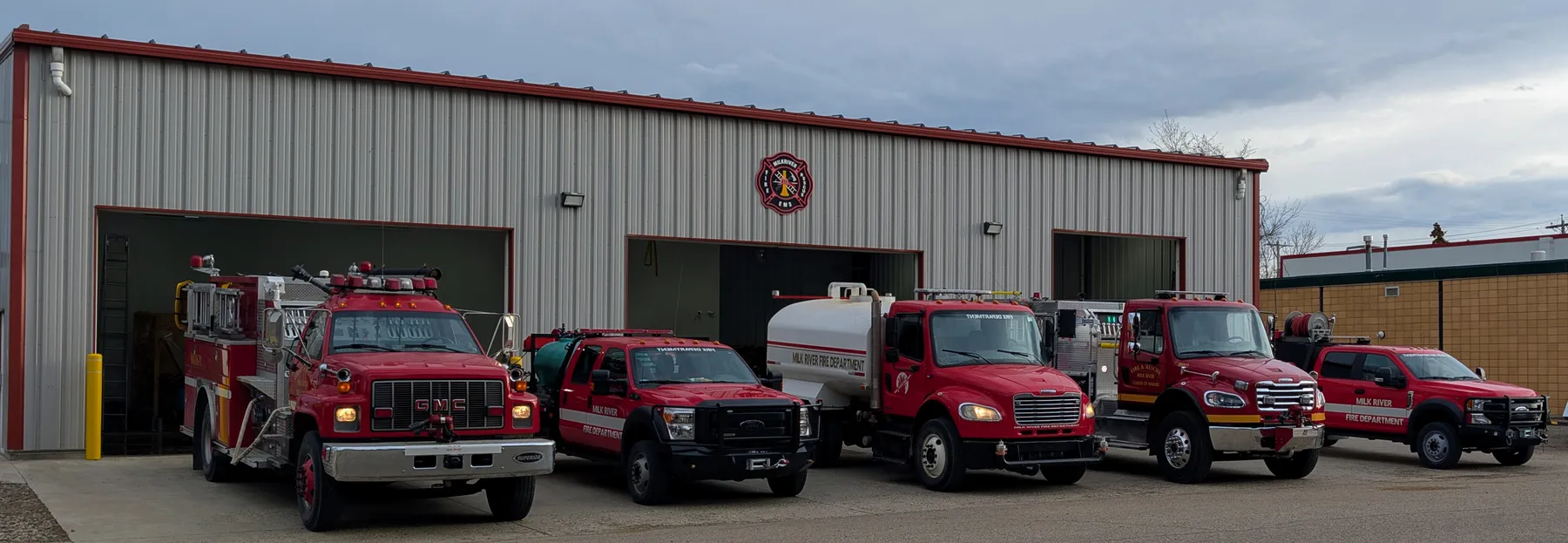
The fleet
Here is what runs out of the hall and what each unit is for. We have skipped the jargon, a "Type 1 pumper" means nothing to most people, so each truck says plainly what it does.
Apparatus photos, years in service, and full specs are pending. Each truck is one entry in apparatus.json plus an image drop.
A pumper. Carries water and a pump to put fire out directly.
First out on fires. Provides traffic control and extra equipment at motor vehicle collisions, and is pump-and-roll capable for brush fires.
A pumper. Carries water and a pump to put fire out directly.
Adds pumping power and water capacity alongside County Pump. Pump-and-roll capable.
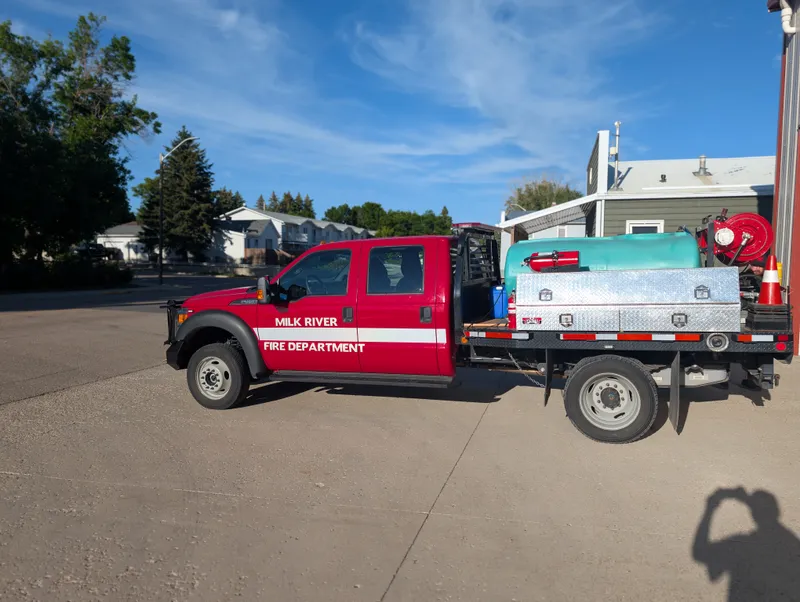
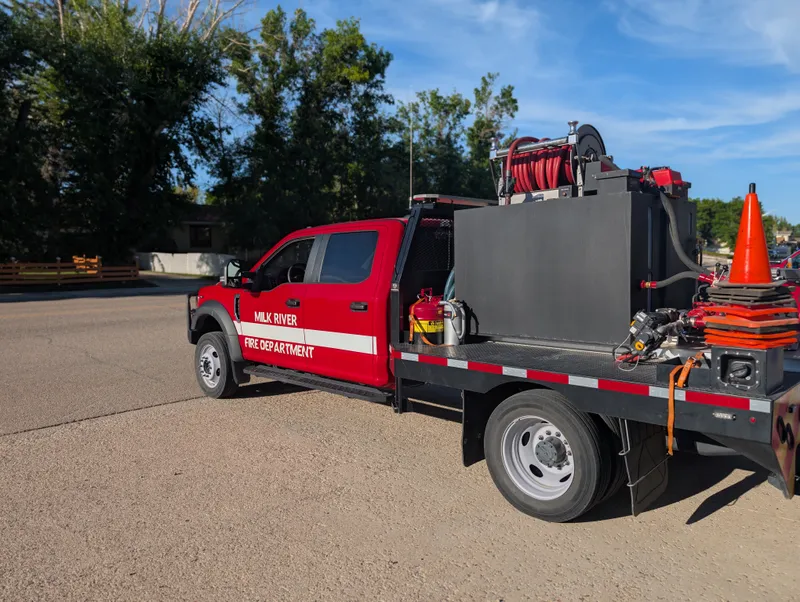
A smaller off-road truck built for grass and brush fire, able to go where the engines cannot.
Set up for brush and grass fire on the back roads and in the field. Not structure-rated.
A smaller off-road truck built for grass and brush fire, able to go where the engines cannot.
The same role as Wildland 1, set up for brush and grass fire. Not structure-rated.
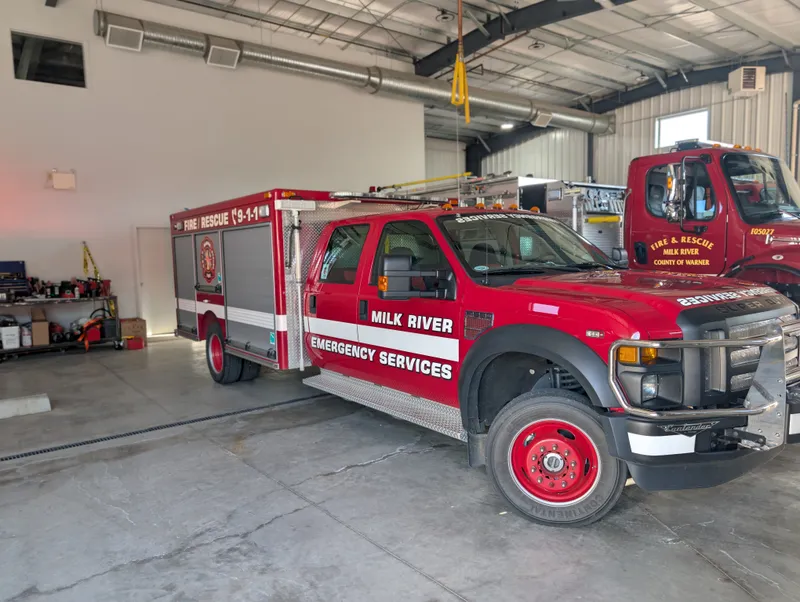
Carries rescue tools and medical gear. Often first on scene, working ahead of the ambulance.
Carries the extrication tools and medical first-response equipment for collisions and on-scene patient care across the highways and back roads.
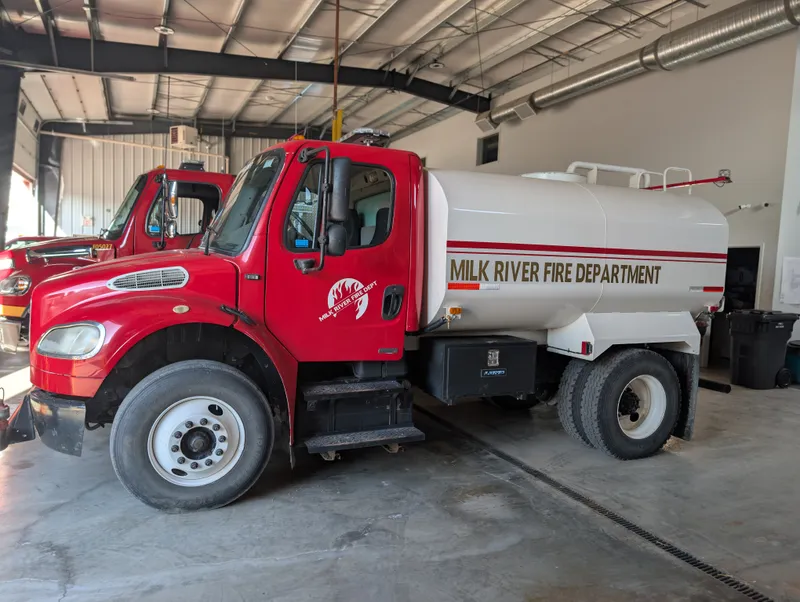
A water tanker. Hauls large volumes of water where there are no hydrants.
Going into service shortly, with decals being applied now. It will work alongside Tender 2 to keep water on scene.
A water tanker. Hauls large volumes of water where there are no hydrants.
Carries a large volume of water for wildland and structure fires. Pump-and-roll capable, with high-volume truck-mounted nozzles for wildland support.
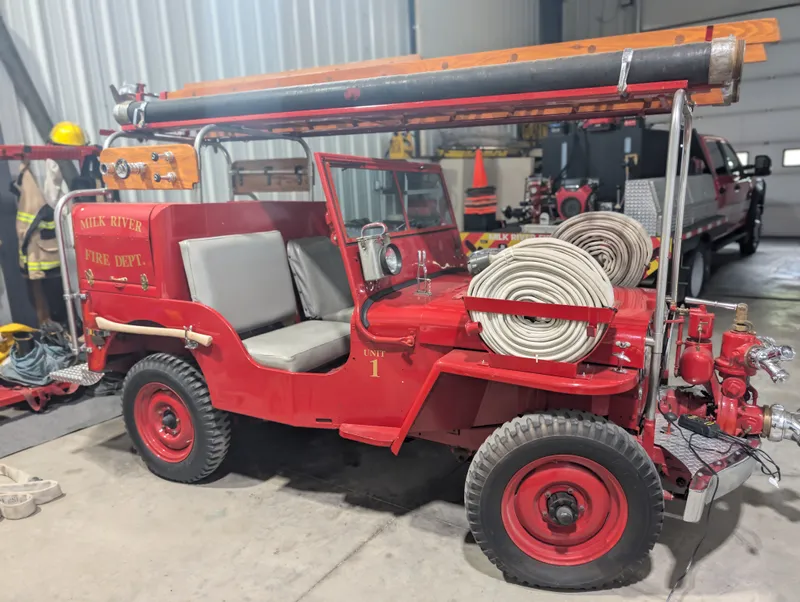
A piece of the department's history, kept for show.
An antique Willys fire truck, part of the department's history. More details to come.